

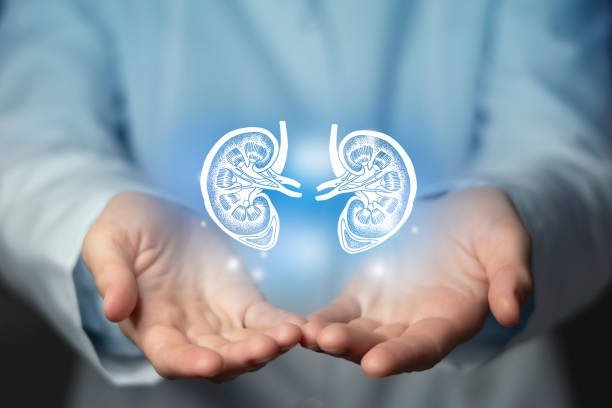
Chronic Kidney Disease is a quiet disease that does not attract attention until it is advanced. It impacts millions of lives all around the world and is considered one of the most difficult long term health conditions to deal with. Knowing the causes, early signs, and the means of its prevention can may the risks lower and preserve the health of kidneys.
Chronic Kidney Disease: What It Is

Chronic Kidney Disease or CKD is a situation in which the kidneys slowly lose their filtering capability of the waste in the blood. Normal kidneys filter toxins, unwanted water and regulate minerals in the body.
However, when they are destroyed, the wastes accumulate causing serious health challenges. CKD is a progressive disease, which implies that it gets worse as it advances. Otherwise, it may cause end-stage kidney disease or kidney failure, which needs dialysis or kidney transplant.
Kidneys play a major role in regulation of blood pressure, bone formation and the production of red blood cells. The whole body gets affected when their functioning decreases. This is why CKD should be managed by detecting and treating it at its early stages.
What Is the Cause of Chronic Kidney Disease?
Chronic Kidney Disease has a number of causes. The disease in most cases develops gradually as a result of chronic health problems. The most frequent cause is diabetes. When the levels of blood sugar are high, it destroys the blood vessels within the kidneys making them less functional. On the same note, when high blood pressure is uncontrolled, it exerts pressure on the vessels in the kidneys, and this eventually damages them.
Additional causes are autoimmune disorders, including lupus, polycystic kidney disease, and chronic upper tract infections. The kidney can also be rendered nonfunctional or impaired due to prolonged use of some drugs, the non-steroidal anti-inflammatory drugs being the most common. In other instances, the risk may be higher in case of genetic factors or a family history of kidney disease.
A large part is played by lifestyle choices. Kidney stress is caused by poor dietary habits, lack of exercise, smoking, and excessive consumption of alcohol. With time, they may cause structural injury and chronic inflammation of the kidneys.
Symptoms That Cannot Be Overlooked
Chronic Kidney Disease usually progresses in silence. It can have no observable symptoms in its initial phases. A common name to describe this disease is a silent disease, and this is why. The signs however become more evident as the kidney functioning decreases. Fatigue is one of the most early symptoms. Even with adequate rest people may still experience fatigue or weakness.
Another common indication is swelling of the ankle, feet, or face. This occurs since the kidneys are not eliminating excess fluid in the body. Other individuals may observe urination changes, which include foamy urine, frequent urination especially at night, or blood in the urine. There are also chances of constant itching and dry skin as a result of the accumulation of toxins in the bloodstream.
Nausea, appetite loss, and inability to concentrate can emerge as the condition gets worse. Other individuals develop high blood pressures that prove hard to manage. When the fluid starts accumulating in the lungs this can be signified by shortness of breath and chest pains. All these symptoms indicate that the kidneys are having a hard time performing its function.
Significance of Early Diagnosis
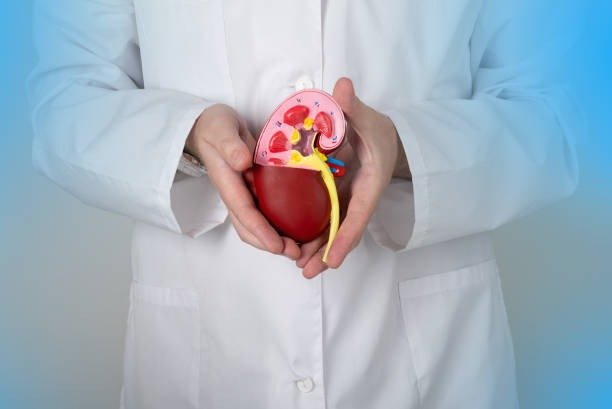
Early detection of Chronic Kidney Disease helps to avoid complications. A regular blood and urine analysis can highlight a problem before the symptoms appear. A blood test that checks the level of creatinine provides an approximation of the glomerular filtration rate (GFR) that demonstrates the functioning of the kidneys. Low GFR is indicative of damage to kidneys. Protein or blood can be spotted in a urine test and both are alarming signs.
The doctors can also request an imaging test or kidney biopsy to establish the level of damage. Blood pressure and blood sugar levels should also be monitored, particularly among the high-risk persons. With early diagnosis, treatment can be done in time and this can slow down or even prevent the came of the disease.
Prevention of Chronic Kidney Disease
The first step in preventing Chronic Kidney Disease is to care about kidneys and not harm them. One of the best approaches is to live a healthy lifestyle. A healthy kidney may be maintained by consuming a well-balanced diet rich in fruits, vegetables, and whole grains. Limiting salt can regulate blood pressure, and this is vital in avoiding kidney damage.
Physical activity helps maintain good health and precludes the occurrence of illnesses such as diabetes and hypertension which are significant risks of CKD. It is also useful in keeping a healthy weight which is another issue in protecting the kidneys. Stopping smoking and alcohol consumption decreases the stress on the kidneys and other body organs.
Chronic Kidney Disease
It is important to get regular health examinations, particularly if one has a family history of kidney disease or other underlying conditions such as diabetes or high blood pressure. Constantly checking kidney functionality and treating chronic diseases can reduce CKD risks considerably. Practicing mindfulness or any other form of stress management is also beneficial to the kidneys as it regulates blood pressure.
Hydration is essential, and the intake of excess water without the consultation of a doctor may be detrimental. Individuals are expected to take sufficient water to hydrate their bodies but not to strain the kidneys. It is also necessary to avoid over-the-counter medicines that damage the kidneys. When painkillers are used regularly, they will eventually affect the functioning of the kidneys.
Management of CKD in the Long term
Chronic Kidney Disease is an illness that requires life-long management once it has been diagnosed. The priority changes to a delay of its progression and the prevention of complications.
The doctor will most likely recommend a kidney-friendly diet, meaning the patient should consume low sodium, low protein, and regulated amount of potassium and phosphorus. These changes can be advised by a renal dietician according to requirements.
Drugs might be necessary to regulate blood pressure, reduce cholesterol levels and regulate diabetes. In certain situations, drugs to decrease the amount of protein in the urine can safeguard the kidneys. One should also take all prescribed medicine as advised and make regular visits to a healthcare professional.
More severe treatments might become necessary as CKD advances. This comprises dialysis or kidney transplant in the end-stage disease. Nevertheless, through timely treatment and regular care, a significant number of patients are able to sustain the functioning of the kidneys in years.
Emotional and Mental Health Issues

Having Chronic Kidney Disease is not just a physical condition. It might cause stress, anxiety, and depression. Having to deal with changes in diet, doctor visits, and fear of dialysis can be tiresome.
Psychological support is also imperative as a way of dealing with the emotional aspect of the condition. A word with a counselor or being part of a support group can help take the edge off or offer a sense of kinship.
The families too have a major role to play. A support system is formed by educating the people you love about the disease. Emotional support usually goes a long way in ensuring that the patients adhere to their treatment protocols and have a positive mind.
CKD impacts the globe in many ways
Chronic Kidney Disease has been a significant community health problem in the globe. With an aging population and increasing chronic diseases across the world, CKD patients are on the rise. It causes a severe strain on the healthcare systems because of expensive treatment, particularly at the advanced stages.
To counter this mounting challenge, there must be public awareness and early screening programs. Health organizations and Governments should invest in prevention and education. The spread of CKD can be controlled by promoting healthy life habits and providing access to periodic screenings and better healthcare infrastructure.
Conclusion
Everyone should protect their kidneys. CKD may be a permanent health problem, yet it is highly avoidable. It is possible to take action in time when knowing the causes and being able to recognize the early signs. With healthy habits, frequent examinations, and appropriate treatment, the kidneys may be safeguarded, and life quality may be increased.
Kidney health does not simply mean the absence of disease. It is a question of everyday decisions in favor of promoting the important processes of the body. Whether it is eating healthy or exercising and drinking water, all these little steps count.
Complications in the future can be avoided by taking charge today. And through increased awareness, more individuals will not have to deal with the predicaments of Chronic Kidney Disease in the future.