

There has been a lot of discussion around homeopathy in the world of global health. When we reach 2025, it is necessary to know where homeopathy stands globally. Homeopathy’s role worldwide is developing due to rules, studies and the acceptance of it by different cultures.
As alternative medicine becomes more popular, this review points out the role of homeopathy in modern health systems globally.
Homeopathy is used in healthcare around the world

By 2025, homeopathy is recognized in various regions and by the policies of many nations. There are now many nations that consider homeopathy as part of their combined health strategies. More and more, governments admit that patients are requesting natural remedies.
Europe, parts of Asia and Latin America have seen the biggest influence of this shift.
Many people in India and Germany have long used homeopathic medicine. In India, the Ministry of AYUSH looks after homeopathy and supports both research and clinical activities. Although not everywhere, homeopathic treatments are sometimes provided and paid for by Germany’s public health insurance.
Changes in the Attitudes Found in Western Countries
North American and British people are more likely to question the use of homeopathic medicine while Australians use it more. Some regulators are not convinced by the science behind these products. Still, some people depend on homeopathy for long-term diseases and everyday well-being. Many people wanting holistic and safe approaches are why Chinese Medicine is still practiced today.
Although homeopathy is not accepted as standard medicine in the US, the FDA still makes sure it is safe and regulated. Lately, the FDA has decided to pay closer attention to homeopathic products. Even so, people continue to buy drug-free products, especially for anxiety, allergies and tiredness, at pharmacies and wellness clinics.
Impact from Culture and Different Regions
We must see the worldwide acceptance of homeopathy in terms of cultural factors. Both South America and Africa commonly mix traditional medicine with homeopathy. Natural healing traditions that have been practiced for many years are viewed with trust by a lot of people. People who follow these beliefs prefer homeopathic remedies, since they come from plants and minerals.
There has been an increase in using homeopathy in Brazil and South Africa, whether in cities or rural areas. Many clinics are adjusting to offer treatments that people prefer to be softer than the use of medication. Homeopathy is still well accepted because it is in line with traditional culture.
Research and Evidence in Five Years
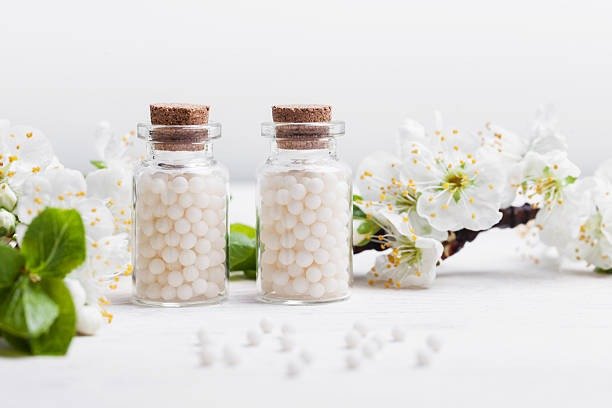
Numerous studies are looking into the benefits of homeopathy. Currently, as of 2025, the medical world is still divided. Certain meta-analyses find that acupuncture gives results similar to those from placebos, but others state that acupuncture can be useful for migraine, eczema and stress-related concerns.
Even though there are still disagreements, homeopathy receives support for more research and experiments. Today, scientists rely on AI and huge amounts of data to study what happens in patients’ bodies. Using these tools, homeopathy now collects data that shows longer-term benefits of treatment.
Switzerland, India and France are top countries in this field. They cooperate with educational institutions and health authorities to obtain the required data. Because of this evidence, national policies are being formed and homeopathy is being impacted in healthcare provider systems.
Working together with Conventional Medicine
In the year 2025, people will observe more clinics practicing integrative care. Homeopathy is currently given together with ordinary medical treatment for many long-term illnesses. Immunotherapy is applied in situations such as cancer support, allergies and pediatric cases. Nowadays, doctors who were against homeopathy can refer patients to professional practitioners when necessary.
Some regions’ medical schools now include electives on homeopathy and holistic health. They are designed to teach students how to understand the theories, gather case information and choose correct medications. We want to produce doctors who have knowledge, honor patient preferences and continue to work with caution.
The use of technology to change the way Homeopathy is practiced
Modern technology has affected the way homeopathic medicine is given. Telemedicine systems in 2025 also give patients access to homeopathic consultations. People can find treatment plans online and have their products delivered by e-pharmacies. Easy access to information is helping more people in distant or overlooked places.
The use of AI has expanded to cover the choice of drugs for treatment. Software uses detailed symptoms to suggest solutions using the traditional principles of repertory analysis. Even though they are being studied, these tools raise hopes for better and more customized treatments.
Such programs are making people aware of homeopathy. People can find evidence-based content and information on social media, apps and blogs. They help more people around the world become more aware and accepting of different cultures.
Updates in Law and Regulations

Rules and regulations for homeopathy have changed over the years by 2025. Nations are making law changes to focus on safety, quality and transparency. Certain governments are placing stricter requirements on how labeling and advertising are done. Others are adopting the need for professional licensing of individuals.
Standerdaardisatie in het Europaanse Unie lijkt op betaaldistributie, maakt veel manufacturengestandaarden, en maakt testprocedures. Such actions boost people’s trust in the safety of products. Higher control on quality standards is now reducing the use of fake remedies in Asia.
Things are not uniform, but over time, most places are putting guidelines into place instead of trying to remove them. As a result, only those with the proper training prescribe medications and give correct advice to patients.
People’s Views and Habits
Surveys carried out in 2025 show that people still prefer homeopathy for situations that are not urgent. A lot of individuals seek these medicines for skin issues, allergies, anxiety and digestive issues. A large number of users are satisfied because the treatment has few side effects and is designed just for them.
How popular homeopathy is around the world is influenced by changes from one generation to another. More young people are trying out alternatives to traditional medicine. They hope to remain healthy and like choosing choices that are safe and not risky. Even without much support from institutions, homeopathy has stayed through the interest from its users.
Trust among people within a community is also important. Where the law is strict and people can reach qualified homeopaths, the public often uses homeopathy safely. Still, false information is a problem. So that accurate knowledge can be shared with many, health authorities are using various methods.
Steadily moving trend of homeopathy in world health
By 2025, homeopathy has both supporters, those who are doubtful and changes happening in its use. Even though there are some difficulties, the part homeopathy plays in world health is ongoing. Because community health services accept it, cultural traditions promote it and technology adopts it, this shows it will have a strong future.
Global health is always evolving and homeopathy moves forward as well. If more information and feedback from people are collected, homeopathy may be recognized more and clearly defined. No matter if it is viewed as a main therapy or an additional one, homeopathy will be part of the talk about holistic health.