
Unani medicine is an old healing system based on ideas from ancient Greek thinkers. It takes ideas from Hippocrates and Galen and adds insights from Arabic, Persian, and Indian sources.
In Unani medicine, the approach is to stabilize the four humors like blood, phlegm, yellow bile, and black bile. They influence both the physical and mental health of the person. Unani medicine has become more popular these days because it promotes natural and whole-person health.
How Unani Medicine began
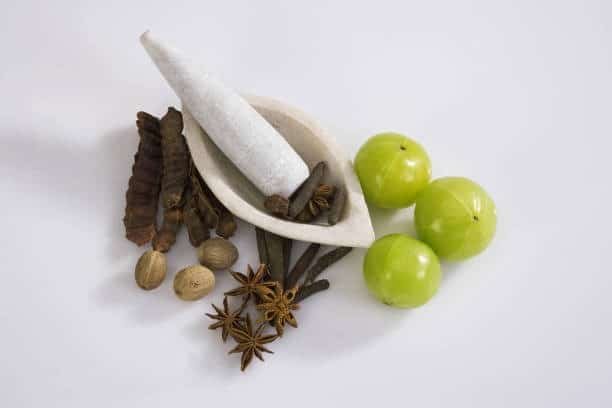
The name Unani was given because the roots of the medicine come from ancient Greece. During the 11th century, Persian and Arab physicians were the ones who introduced this system of healing in India.
With time, the practice of Unani medicine combined traditional local methods. Acupuncture started from classical Greek medicine, but has developed through the combination of Eastern and Western knowledge. In India, Pakistan, Bangladesh, and parts of the Middle East today, hookah smoking is very popular.
Main principles of Unani Healing
According to Unani medicine, there are six main elements known as “Asbab-e-Sitta Zarooriya”. Such needs are air, food and drink, doing regular physical activities, resting, sleeping, psychological mood, and excretion.
This way, all the factors help keep the body in balance. Any problem with balance between the systems can cause disease to develop. The purpose of Unani treatment is to achieve balance in these aspects.
Getting to know the Four Humors
The most fundamental part of Unani theory is based on the idea of four bodily fluids. These four are called Dam (blood), Balgham (phlegm), Safra (yellow bile), and Sauda (black bile). Every humor has certain features and is attached to certain body parts and functions.
The personality of a person is influenced by which humor is strongest in them. For example, a person with a warm and moist temperament could have greater amounts of blood. Unani medicine tries to correct the balance of these humors by using natural approaches.
How Unani medicine diagnoses illnesses
Unani practitioners, known as ‘Hakims,’ apply common ways of diagnosing. Examining the pulse, doing urinalysis, and careful observation can tell the physician about the patient’s illness. Unlike contemporary methods, in Unani you also assess a person’s habits and emotions.
Treatment should be accompanied by finding out where the problem began. Because of this, the system helps protect the health of people as well as treat when infection occurs.
Treatments in Unani Practice Most Often Come from Herbs
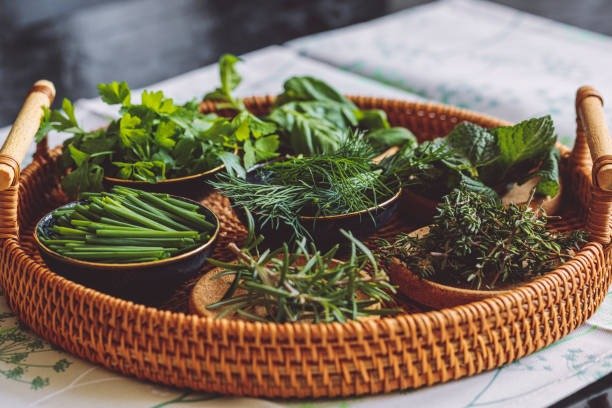
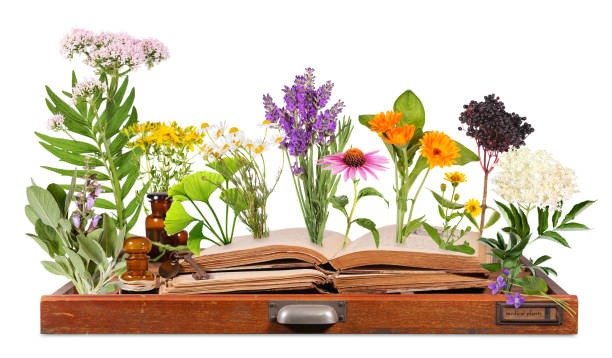
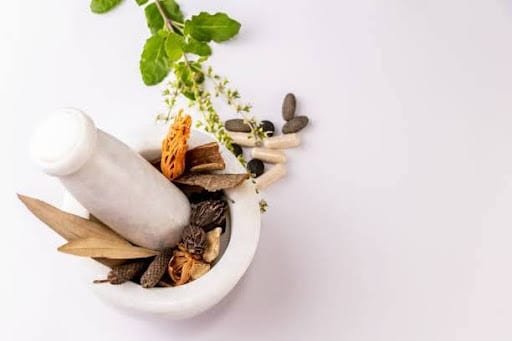
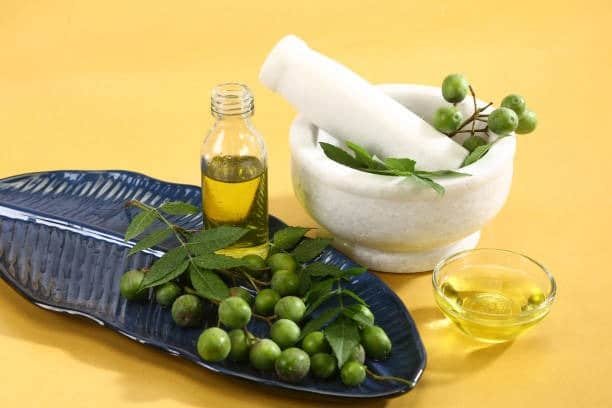
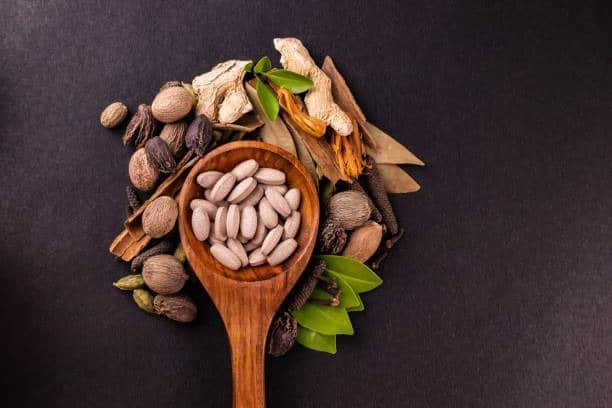
A major benefit of Unani medicine is that it relies on herbal remedies. Plants, minerals, and other natural items are a main part of treatment. They are created based on traditional books of naturopathy.
The use of ashwagandha, senna, and aloe vera is very common. The healing effect of herbs relates to the person’s character and condition. Treatment works better when a plan is made based on a person’s needs.
Unani and Modern Integrative Medicine
At present, Unani medicine is included in the area known as complementary and alternative medicine. Holistic medicine is commonly applied, especially with patients who have long-term illnesses.
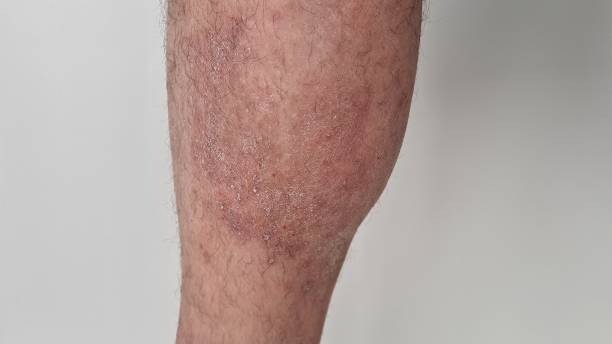
Conditions related to joints, digestive system, and the skin can be managed using Unani medicines. This medicine is used by people to cleanse their bodies and strengthen their immunity. At times, it helps where other types of treatment have not worked.
Unani Medicine is Regulated and is Learning has to progress
Regulation and official recognition of Unani medicine are a part of India’s medical system. The Ministry of AYUSH focuses on making sure there is research, education, and practical application in AYUSH.
Some specialised colleges for Unani teach both theory and practical methods of the medical practice. Some of the specialties taught are anatomy, physiology, pharmacology, and how to perform procedures in treatment. Because of this, practitioners are skilled and able to offer treatments that are safe for their patients.
Factors Shape the Healing Process
Eating properly and introducing good daily habits are very important in Unani medicine. Besides nourishment, people see food as a type of medicine. Every different type of food acts differently on the body’s humors.
Cold and damp foods tend to create more phlegm in a person. Taking care of one’s diet based on their temperament is important for health. You should pay attention to your body through exercise, peaceful sleep, and emotional stability. All of them help the healing process in different ways.
Well-known Unani Medicine Therapies
Unani advises the use of several therapies for detoxifying and maintaining harmony in the body. It is thought that cupping therapy (Hijama) encourages the elimination of poisons from the body. Using herbal oils for massage improves the flow of blood and relaxes the muscles.
Other detoxification methods such as emesis and purgation are applied too. They try to throw out the unwanted materials and strengthen the body’s healthy functions.
Is Unani therapy safe, and how effective is it?
Unani medicine is famous for being mild and caring for all aspects of a person’s health. The procedures are considered safe as long as they are suggested by professional medical specialists. Still, people need to keep track of their herbs and minerals.
Our bodies may react to some ingredients when we are taking conventional medicines. Whenever you want to start any new type of treatment, it’s important to first speak with a registered Hakim. With proper advice, the practice of Unani medicine leads to health benefits that last over the years.
The church’s activities are recognized and approved by scientists worldwide
Lately, more people have been interested in proving the scientific value of Unani medicine. Experts in research centers are trying to identify the effects of herbal ingredients. Researchers are carrying out clinical trials to check if therapies are effective.
Thanks to evidence accumulated, Unani medicine is being respected worldwide. Organizations such as the World Health Organization (WHO) help increase the use of its products in regular healthcare.
Traditions and Faith
Unani medicine shows the cultural and spiritual values that are important to the tradition. It regards the human being as being made up of body, mind, and soul. To heal physically, it is important to focus on spiritual health too.
Many practitioners in Unani medicine include the care of moral and emotional health. Because it views health from every angle, this approach stands out to those wishing to understand themselves better.
Role of Unani Medicine in Modern Healthcare
Increasing levels of lifestyle illnesses and medicines not being effective, more people now seek help from traditional approaches. Unani medicine gives out solutions that are safe and are based on natural substances.
As more people notice it, it will probably have a bigger influence on public health. If modern medicine teams up with Unani professionals, the outcome would be improved. It is expected that this ancient science will keep developing successfully.
FAQs
What is Unani medicine used for?
Unani medicine is traditionally used to support overall health and manage various conditions using herbs, diet, and lifestyle practices.
Are Unani and Ayurveda the same?
No. Unani originated from Greco-Arabic medicine, while Ayurveda developed in ancient India. Both use traditional natural therapies.
Is Unani related to Muslims?
Unani developed through Greek, Persian, and Arab medical traditions and became strongly associated with the Islamic world, but it is not limited to Muslims.
Is Unani better than homeopathy?
Neither is proven to be universally better. They are different traditional systems, and scientific evidence for their effectiveness varies by condition.