

Tibetan Medicine comes from a long spiritual history. It uses natural treatments along with Buddhist ideas. For many years, this practice has counted on by populations in the Himalayas. The basic idea behind Tibetan Medicine is that a person’s body, mind, and environment need to be in balance. Having this amount of sleep is necessary for good health.
What really makes this system unique is that it addresses all aspects of a person’s health at once. Unlike today’s methods, it takes into account the overall person. A doctor listens to your complaints and checks your health apart from considering your symptoms.
It means identifying the main reasons for crime. All the methods are soft, perceptive, and happen without effort from the patient. Amchis, the traditional Tibetan doctors, have ways to discover small changes in your body.
How Tibetan Medical Diagnosis is Set Up
Diagnosis in Tibetan Medicine is started by studying the three humors, which are the main energies. These 3 are wind (Lung), bile (Tripa), and phlegm (Beken). The 3 types of humor are responsible for controlling different body processes. Any lack or excess in these leads to problems and disease. An experienced Amchi first looks at the kind of humor that is out of balance.
They do not make a diagnosis quickly. The doctor checks the physical details, daily habits, and mental traits of the patient. The main goal is to discover the root of the disorder. Quick one-time tests are very different from the approach used in the past. Tibetan Medicine follows practices that have been used for many generations.
Observation forms a significant part of medical diagnosis
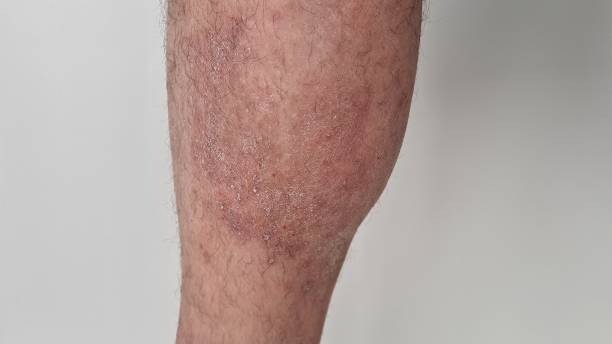
Examining the patient’s appearance is one of the main techniques used in Tibetan Medicine. The doctor analyzes the patient’s appearance in general. We should also pay attention to the person’s eyes, tongue, skin color, and nails. Doctors look at how clear and colored the urine is too. There are minor signals that uncover hidden body issues.
The tongue might be the most important part of the mouth. You can know the condition of the internal organs by looking at their texture, color, and coating. It is important to evaluate if both eyes are clear and full of energy.
Individuals who are healthy have a bright glow in their eyes. Physical warmth or coldness in the body may be seen through a person’s skin. These indicate when the humor of a person is too much or not enough.
Pulse Reading: The Main Indicator for Making a Diagnosis
A major approach in Tibetan Medicine is form of pulse diagnosis. Put three fingers from each hand along the wrist to get the pulse. All the fingers relate to certain organs. The doctor checks the strength, rate, and depth of the pulse of the patient.
It usually takes a lot of time and practice to master this method. An experienced Amchi has the ability to notice both physical and emotional concerns. The pulse helps show the health of internal organs, the balance of energy, and any mental pressure. This test for blood pressure is not as direct as the ones done today and more about the soul.
study of urine, people were able to gain important medical knowledge
Analysing urine is an important part of Tibetan Medicine. Doctors and nurses collect the inmate’s first urine and look at it. The look of the liquid, its steam, bubbles, and the sediment are all examined. This makes it possible for the doctor to see the conditions of the digestive organs, kidney health, and body temperatures.
Usually, people mix their urine with a stick or look at it in the sunlight. Noticeable changes in the odor or the consistency of meat can help you as well. Using this method to diagnosis represents a lot of meaning. It helps the external and internal environments in the body communicate. It gives information on the functioning of both the body and mind.
Importance of Listening to the Patient
Doctors in Tibetan Medicine pay special attention to a patient’s life story. The physician asks you about your daily habits, feelings, food, sleep, and everyday schedule. All these pieces of information help us to better understand the situation. From this personal history, one can see how the disease has changed with time.
The mental state of a person is paid close attention. Anger, fear, and stress may disrupt the functioning of the three humors. For Tibetan Medicine, the mind and body are both considered as a whole unit. When one person is sick, it affects the other person as well. This is why the ability to listen plays an important role in diagnosing patients.
Looking at Someone’s Emotions and Spiritual Life

In Tibetan Medicine, wellbeing is closely related to your emotional state. They are included in the early stages of diagnosing. Having negative emotions may stop energy from flowing freely. Consequently, people experience physical signs as well. For instance, angry feelings for a long period might cause bile and liver complications.
During spiritual diagnosis, dreams and karmic traits are looked into. This usually happens when patients have severe conditions or a long-lasting illness. There are practitioners who use meditation or divination. They make it possible to look past the outward symptoms and examine a person’s spiritual well-being.
Influenza can also be affected by the state of the weather
Doctors from Tibet also take into account the seasons and the place where a patient lives. These changes the balance of the body’s humors. Spells of winter can raise the amount of phlegm in the body. Condition of hot weather usually results in increased production of bile. Seasonal wind can mess with Lung, which can lead to anxiety or may cause difficulties in sleeping.
Doctors look at living circumstances, height above sea level, and what the patient eats as part of making a diagnosis. According to Tibetan Medicine, good health depends on nature. Healing means following the normal rhythms and flows of life. Treatment plans are changed depending on how the seasons vary.
How Buddhist Philosophy affects Diagnosis
Tibetan Medicine relies greatly on the teachings of Buddhism. An important element of diagnosis is to grasp impermanence, compassion, and karma. Experts believe that health problems are not limited to physical problems. Sometimes, it stems from things we did in the past or things that affect our thoughts.
Doctors usually suggest prayers and herbs for their patients’ benefits. To heal, people use meditation, prayer, and try to practice moral discipline. Getting a diagnosis is a reminder of the mysteries in life. It results in gaining new awareness and transformation.
Early Diagnosis Is Very Important

Quick diagnosis helps a lot in Tibetan Medicine. Minor indications are managed timely to stop them from growing into serious conditions. For this reason, pulse, urine, and observation are part of the medical procedure when the patient thinks everything is fine. Taking care of oneself by visiting the doctor is considered a strong part of the culture.
Patients are taught to be aware of themselves. If early symptoms are noticed, it can help people get better faster. Some simple lifestyle and food changes may stop diseases. Tibetan Medicine suggests that people should make it a habit to see a doctor during changes in the seasons.
FAQs About Tibetan Medicine
1. What is Tibetan Medicine?
Tibetan Medicine is a traditional healing system rooted in Tibetan Buddhist philosophy and natural therapies. It focuses on maintaining balance between the body, mind, environment, and three main humors: Lung (wind), Tripa (bile), and Beken (phlegm).
2. How does Tibetan Medicine diagnose illness?
Tibetan Medicine uses several methods, including pulse reading, urine examination, physical observation, and detailed conversations with patients. Practitioners also consider lifestyle, diet, sleep, emotions, environment, and seasonal changes.
3. What are the three humors in Tibetan Medicine?
The three humors are Lung (wind), Tripa (bile), and Beken (phlegm). According to Tibetan Medicine, an imbalance in these energies can contribute to illness and changes in physical or mental wellbeing.
4. Why is pulse diagnosis important in Tibetan Medicine?
Pulse diagnosis is an important traditional method used to assess the condition of the body. An experienced Amchi examines the strength, rhythm, depth, and quality of the pulse to understand possible imbalances.
5. Why is urine examined in Tibetan Medicine?
Urine examination is traditionally used to observe characteristics such as color, bubbles, sediment, odor, and consistency. Practitioners interpret these observations as clues about different aspects of a person’s health.
6. Does Tibetan Medicine consider emotions and mental health?
Yes. Tibetan Medicine considers emotions, stress, fear, anger, and other mental states as important parts of overall wellbeing. The system views physical and mental health as closely connected.
7. How do seasons and the environment affect Tibetan Medicine?
Tibetan Medicine considers factors such as weather, seasons, altitude, location, diet, and lifestyle when assessing health. Practitioners believe environmental changes can influence the balance of the three humors.
8. What role does Buddhism play in Tibetan Medicine?
Buddhist principles strongly influence Tibetan Medicine. Concepts such as compassion, mindfulness, impermanence, karma, meditation, and spiritual wellbeing can form part of its broader approach to health and healing.
Conclusion
Apart from medical care, Tibetan Medicine provides wisdom and deeper knowledge. Evaluating a person’s health in homeopathy is done in a gentle way that considers every aspect. They uncover factors that cause illness from physical, emotional, and spiritual aspects. Use of nature, personal stories, and mindful awareness makes this way of gardening different from others.
Since modern health care progresses fast, Tibetan Medicine encourages people to practice patience and awareness. How the discipline has been traditionally diagnosed reminds us of simplicity and wisdom. Even today, qigong works with its practices to encourage healing and good health.