
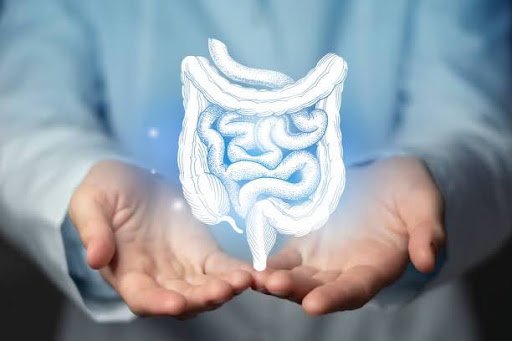
A gastrointestinal health is not just the absence of stomach ache. It forms the basis of the digestive system in your body, the absorption of nutrients and the removal of waste.
This is because when your digestive system is healthy, you will look and feel better, think more clearly, and have more energy. Learning about its functioning and factors that influence it may allow you to gain control over your overall well-being.
Why Gastrointestinal Health Matters
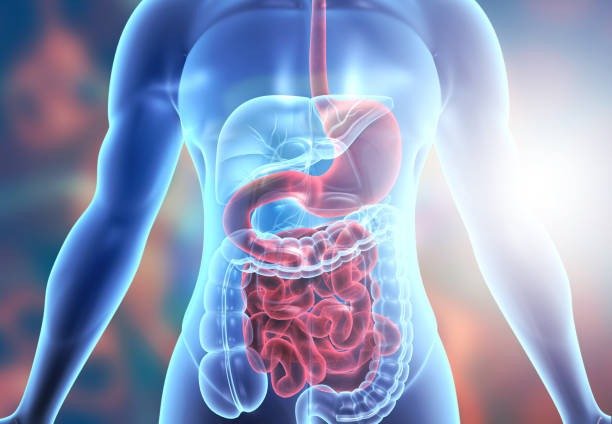
Your GI is a complicated mechanism. It entails the stomach, intestines, pancreas, liver among other organs. These components combine to digest food, absorb nutrients and eliminate waste. When one component of this system is in trouble, it can have a knock on impact across your body.
Inadequate digestion usually results in bloating, constipation, diarrhea, or heartburn. But it may also cause fatigue, lack of concentration and low immunity. This is why it is important to support the gastrointestinal health daily to feel great and be healthy in the long run.
Gut microbiota and Its Role in Digestion
Your gut is home to a large system of microorganisms. These are bacteria, virus and fungi. All together they are called the gut microbiota. They are also important in the digestive process particularly the digestion of complex carbohydrates and fiber.
Proportionate intestinal flora also assist in the production of some vitamins, such as B12 and K. They enhance immune responses and they do not allow harmful pathogens to take over. Once your microbiota is disproportionate, digestive symptoms may emerge.
You can experience gas, abdominal pain or irregular bowel movements. This is an imbalance which is commonly referred to as dysbiosis and it is associated with numerous chronic conditions.
Things That Affect the Gastrointestinal Function
A lot of habits that you may have are directly related to the effectiveness of your digestion system. One of the most important factors is the diet. Slow digestion may be caused by a lack of fiber in the diet composed of mainly processed foods. With time, it may lead to more severe conditions, including irritable bowel syndrome or inflammatory bowel disease.
It is also a significant role of stress. Whenever you feel nervous or stressed, your brain communicates with your intestines. This relation is commonly referred to as the gut-brain axis. Persistent stress will make changes to your gut microbiome and decrease the digestive functions.
Additional determinants are the quality of sleep, exercise, medication, and hydration. All these determine the efficiency of your gastrointestinal system on a daily basis.
Symptoms of a bad Digestive System
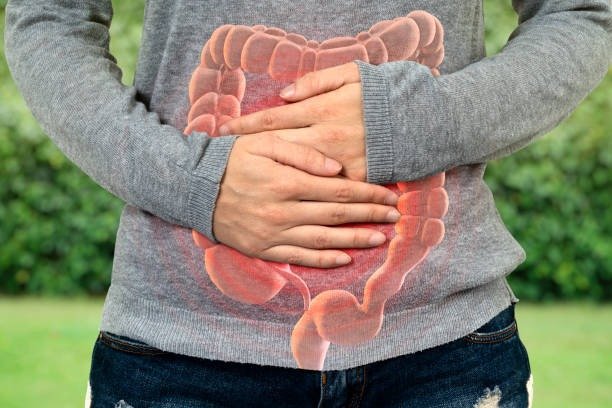
In case your gastrointestinal health is not in the best condition, your organism will probably provide you with warning signs. The common red flags are persistent bloating, excessive gas or abdominal discomfort. You can also have frequent heartburn or acid reflux.
Alterations of the bowel habit may reflect underlying problems. These are alternating constipation and diarrhea, foul smelling stools or incomplete evacuation. Feeling tired after every meal or seeing undigested food in your stool can be an indication that you have a digestive issue.
Among other less evident symptoms there can be bad breath, skin breakouts or mood swings. Because the digestive system is interlinked with other systems in the body, issues usually manifest in various forms.
The Impact of Fiber on Gastrointestinal Health
One of the most valuable elements to the digestive health is the fiber. It facilitates in the regulation of bowel movements by bulking up the stool. This facilitates the passing of waste and constipation is less likely to occur.
Soluble fiber is dissolved in water and it forms a jelly-like substance. It has the ability to reduce cholesterol and stabilize the blood sugar levels. Insoluble fiber is not dissolved and it aids in pushing food along the digestive tract. The two forms are necessary to the optimal functioning of the gastrointestinal system.
Consuming sufficient fiber is also capable of promoting the development of beneficial intestinal flora. Since they feed on fiber, they yield short-chain fatty acids. These compounds lessen swelling and reinforce the bowel wall.
Digestive Performance and Hydration
Water is very important in digestion. It aids in the digestion of food to allow your body to obtain nutrients. Hydration also ensures that the intestines are lubricated and constipation is avoided.
In the absence of sufficient fluids, the stool may get hard and too difficult to pass. It causes a strain and discomfort. Stomach acid production that is essential in the digestion of proteins is also aided by hydration.
Consuming water regularly helps in the gastrointestinal transit and the transportation of nutrients. It is one of the easiest and yet so effective methods of assisting digestion.
Stress and the Gut-Brain Connection
Your gut and brain are in close connection. When you are stressed, hormones are released by the body that influence the gastrointestinal functioning. It is one component of the gut-brain axis a communication system that comprises nerves, hormones and microbes.
Stress can also have the opposite effect, decreasing the digestion to a crawl and resulting in cramps and ulcers. It can make the intestines more sensitive, so that vague discomfort becomes worse.
Stress can be reduced with the help of such practices as meditation, yoga, and deep breathing. The mental health gets better, which improves the gastrointestinal health. Being mindful of this relation can make your body feel a lot better.
Gastrointestinal Health Promoting Foods
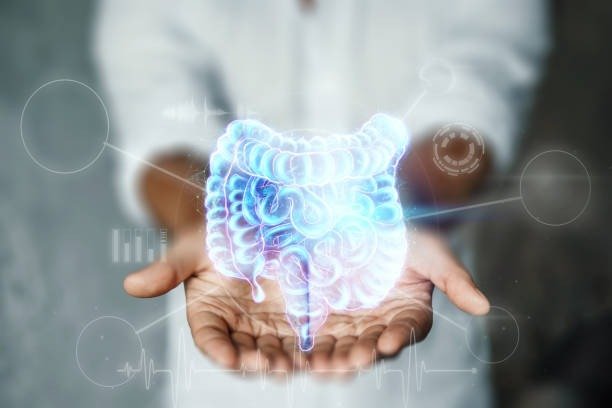
Some foods are inherently digestive wellness supportive. Probiotics are found in fermented food such as yogurt, kefir, and sauerkraut. These are alive microorganisms which are useful in balancing your gut bacteria.
Those beneficial bacteria are fed by prebiotic foods, including garlic, onions, and bananas. Vegetables, fruits and whole grains contain necessary fiber that keeps the bowels healthy.
Digestion is also facilitated by healthy fats such as those present in avocadoes and olive oil. They also aid in the absorption of the fat-soluble vitamins and in inflammation reduction. A strong digestive system depends on the consumption of a wide range of whole foods that are rich in nutrients.
Digestive Enzymes and What they are About
Digestive enzymes are proteins, which digest food into smaller parts. They are produced in your body in the mouth, stomach and the pancreas. Enzymes assist in the breakdown of proteins, fats and carbohydrates to allow absorption of the nutrients in the body.
Other times, there is not enough enzyme produced by the body. This may cause symptoms such as bloated stomach, gas and indigestion. Not enough enzymes can be connected to such diseases as pancreatitis or celiac disease.
In certain instances enzyme supplements may prove beneficial. Nonetheless, the root cause should be handled. A more long-term solution is to support the work of enzymes with the help of a healthy diet and adequate hydration.
Habits of lifestyle that can ameliorate digestive health
Daily routines and practices may have a pronounced effect on the functionality of your digestive system. When you eat slowly and chew thoroughly, the body will efficient food processing. It also eliminates the swallowing of too much air that might lead to bloating.
Exercise encourages the movement of the intestines. This helps to make the bowel movement regular and prevents constipation.
My alcohol consumption should be limited, I should not smoke and I should keep my weight under control all of which would improve the health of my gastrointestinal system. Such daily habits are not only digestion-friendly but also offer a guard against healthy dangers in the long term.
The Long-Term advantages of a healthy Gut
Proper digestion is a blessing to all aspects of your life. A strong gastrointestinal health implies that you absorb more nutrients. This will translate to improved energy levels, immunity, as well as mental sharpness.
Proper digestion is also hormone balancing and anti-inflammatory. It is even able to assist in averting chronic diseases such as diabetes, heart ailments and certain cancers.
The health of the gastrointestinal system is not only associated with avoiding discomfort. It is creating a strong path towards wellness in life.
Conclusion
Learn about your digestive system and you are on the way to improving your health. Your gut health depends on all of your decisions, whether it be stress coping mechanisms or diet.
Keep your gastrointestinal system in good shape: drink plenty of water, include fiber in your diet, cope with stress, and sleep well. Such easy measures would change your digestion and improve your quality of life.
Having a healthy gut means having a healthy body. Begin noticing the messages your digestive system is revealing to you. It is the secret to improved energy, mood and general well being.
1. What are the symptoms of gastrointestinal problems?
Common symptoms include:
- Stomach pain or cramps
- Bloating and gas
- Heartburn or acidity
- Nausea and vomiting
- Diarrhea or constipation
- Loss of appetite
- Blood in the stool
2. How can I improve my gastrointestinal health?
- Eat a balanced diet with fruits, vegetables, and fiber.
- Drink enough water.
- Exercise regularly.
- Avoid excessive spicy, oily, and processed foods.
- Limit sugary drinks and alcohol.
- Eat meals on time and avoid overeating.
- Maintain good hygiene and wash your hands before eating.
3. What are some gastrointestinal diseases?
Some common gastrointestinal diseases are:
- Gastritis
- Gastroesophageal reflux disease (GERD)
- Peptic ulcers
- Irritable bowel syndrome (IBS)
- Inflammatory bowel disease (IBD)
- Gastroenteritis
4. How can I prevent gastric problems?
- Eat healthy and balanced meals.
- Avoid excessive spicy and oily foods.
- Drink clean and safe water.
- Avoid smoking and excessive alcohol.
- Wash your hands regularly.
- Exercise and maintain a healthy weight.
- Do not take medicines such as painkillers unnecessarily or without proper advice.