
Ayurveda Medicine is a traditional system of healing that originated in India over 5,000 years ago. The word Ayurveda comes from Sanskrit and means “science of life.
Ayurveda Medicine is one of the world’s oldest healing systems. It began over 5,000 years ago in India and is still widely practiced today. Unlike modern medicine, Ayurveda sees health as a balance between the mind, body, and spirit. It focuses on natural remedies, diet, and lifestyle to support overall well-being.
Understanding the Roots of Ayurveda

The word “Ayurveda” comes from Sanskrit. It means “science of life.” This healing system is based on ancient texts that offer deep insights into the human body and mind. Ayurveda doesn’t treat just the symptoms. It aims to find the root cause of illness and restore harmony.
In Ayurveda Medicine, each person is unique. Treatment plans are tailored to individual needs. This approach helps people connect more deeply with their own health. It is a personalized system of healing that respects natural rhythms and internal balance.
The Concept of Doshas in Ayurveda
Ayurveda Medicine teaches that three energies, called doshas, govern all bodily functions. These are Vata, Pitta, and Kapha. Each dosha controls specific physiological functions. When these energies are in balance, the body is healthy. When they are out of balance, illness can occur.
Vata relates to movement and communication in the body. Pitta manages digestion and metabolism. Kapha governs stability and structure. Everyone has a unique combination of these doshas, known as their body constitution or Prakriti.
Understanding your dosha can help guide lifestyle, diet, and treatment choices. This self-knowledge is key to preventing disease and staying well.
Herbal Healing in Ayurveda
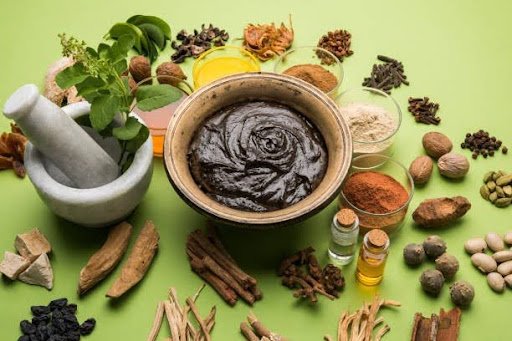
Herbs play a central role in Ayurveda Medicine. Many plants are used to cleanse the body and promote balance. Herbs like ashwagandha, turmeric, and tulsi are known for their healing properties. These herbs are used in powders, teas, oils, and pastes.
Ayurvedic practitioners choose specific herbs depending on the person’s constitution and the nature of their imbalance. The goal is always to restore harmony and promote healing from within.
Unlike synthetic drugs, Ayurvedic herbs are gentle on the body. They are often used in combination to enhance their effects. This natural approach reduces the risk of side effects.
The Role of Diet in Ayurveda
Diet is another major part of Ayurveda Medicine. Food is seen as both nourishment and medicine. What you eat can balance your doshas or throw them off. That’s why Ayurveda recommends food choices based on the season, your body type, and current health conditions.
Warm, grounding foods may be ideal for Vata types. Cooling, hydrating meals help calm excess Pitta. Light, dry foods can balance heavy Kapha energy. Each meal should be fresh, well-spiced, and prepared with care.
Mindful eating is also important. Ayurveda encourages eating in a calm environment, chewing slowly, and avoiding overeating. These habits support good digestion and mental clarity.
Detox and Cleansing in Ayurvedic Practice

Ayurvedic detoxification, known as Panchakarma, is a powerful process. It removes toxins from the body and mind. This treatment includes massage, herbal oils, dietary changes, and other methods to cleanse and rejuvenate.
The goal of Panchakarma is to reset the body’s natural balance. It is often done during seasonal changes to strengthen the immune system and improve overall vitality.
Detox is not seen as a quick fix. It is a carefully guided process that requires preparation and aftercare. With the help of an experienced practitioner, this method can bring deep healing and lasting results.
Mind-Body Connection in Ayurveda
Ayurveda Medicine understands that the mind and body are closely linked. Mental stress can affect physical health, and vice versa. That’s why Ayurvedic healing includes practices like yoga, meditation, and breathing exercises.
These tools help calm the nervous system and promote emotional well-being. When the mind is peaceful, the body can heal more easily. This holistic view of health is one of the reasons Ayurveda remains popular worldwide.
Positive thinking and a balanced routine are also key components. Living in tune with nature and following daily rhythms are part of the Ayurvedic way of life.
Ayurveda and Modern Science

Many aspects of Ayurveda Medicine are supported by modern research. Herbal remedies are being studied for their anti-inflammatory and antioxidant effects. Mind-body practices like meditation have been shown to reduce stress and improve focus.
Though Ayurveda is ancient, it continues to evolve. Integrative medicine is growing in popularity, blending traditional wisdom with scientific methods. More people are turning to Ayurveda for natural, preventive care.
However, not all Ayurvedic treatments are fully backed by science. It’s important to work with qualified practitioners and consult your healthcare provider, especially if you are taking other medications.
Ayurveda as Preventive Healthcare
One of the strengths of Ayurveda Medicine is its focus on prevention. Instead of waiting for illness to occur, Ayurveda teaches how to live in a way that supports long-term health. Daily habits, seasonal routines, and balanced living are all part of the prevention strategy.
Regular self-care, good sleep, healthy food, and stress reduction can help keep the doshas balanced. This proactive mindset helps people feel empowered in their health journey.
Preventive care also reduces the need for aggressive medical intervention. This makes Ayurveda a sustainable and accessible option for many.
Global Popularity of Ayurveda
Ayurveda Medicine is gaining recognition beyond India. Wellness centers, spas, and health clinics worldwide now offer Ayurvedic treatments. People from all cultures are exploring this natural approach to health.
The rising interest in organic products, clean eating, and mindfulness has made Ayurveda more relevant than ever. It offers a grounded and spiritual approach to healing that resonates with today’s wellness seekers.
As people look for ways to reduce stress and boost immunity, Ayurveda provides time-tested solutions. Its growing global reach shows that ancient wisdom still holds value in the modern world.
Final Thoughts
Ayurveda Medicine is more than a system of treatment. It is a way of life that encourages harmony between the body, mind, and environment. Its natural methods, deep understanding of human nature, and focus on balance make it unique and powerful.
By embracing Ayurveda, you are not just treating illness. You are cultivating a healthier, more conscious way of living. Whether you’re looking to manage stress, improve digestion, or enhance your energy, Ayurveda has something to offer.
Understanding its core principles can help you make better choices and live in alignment with your true nature. With the right guidance, Ayurveda can lead to deep healing and lasting well-being.
FAQs
What is Ayurvedic medicine for?
Ayurvedic medicine is traditionally used to support overall wellness and balance through herbs, diet, lifestyle, and other practices.
Is Ayurveda used in Pakistan?
Yes, Ayurveda is practiced in Pakistan, mainly through traditional and complementary medicine providers.
Which disease is best treated by Ayurveda?
Ayurveda is commonly used for general wellness and some chronic health concerns, but it should not replace proven medical treatment for serious diseases.
Which Ayurvedic medicine is best?
There is no single “best” Ayurvedic medicine. The appropriate remedy depends on the individual, condition, and advice of a qualified practitioner.