
European Folk Medicine is not only an interesting history. It is something people have practiced through many generations. Scotland’s scenic hills and the lively scenery in Greece have helped people use nature for healing and to give the spirit peace.
How people and plants are connected has influenced the culture of many European areas. The majority of remedies used nowadays started out as conventional practices many years earlier.
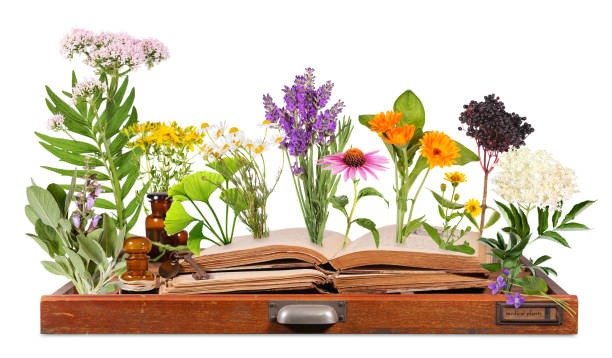
Europe has a vibrant history of using herbal medicines since ancient times. Herbal remedies, including homemade herbal products and commercial herbal products, remain popular across Europe, supporting their continued production and utilization.
A disconnect can sometimes exist in the dialog between allopathic practitioners and patients using CAM herbal products. An evidence-based use of medicinal plants and plant derivatives can help connect traditional practices with emerging strategies in medicine and healing.
The interdisciplinary science of medical ethnobiology explores traditional uses and folk uses of plants and remedies in rural environments and urban environments. Medico-ethnobotanical research, case studies, and recent findings on folk phytopharmaceuticals continue to examine the challenges, advancements, and crucial bottlenecks involved in their transition into clinical practice.
A Tradition Based on Nature
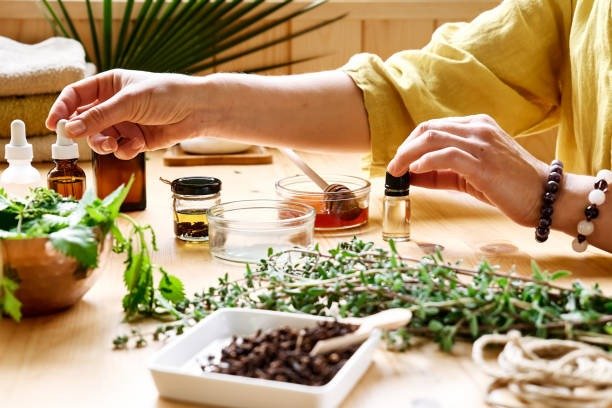
People used European folk medicine from ancient times. Years before there were drugs in pharmacies, people depended on the herbs and plants near them. Most of the time, these remedies came from trying different approaches. With each passing generation, information was improved and fully documented using storytelling and writing.
Different places used local herbs and assisted with healing in their communities. Northern Europeans used nettle and yarrow for field treatments. In the Mediterranean, olive leaves, lavender, and rosemary had very important parts in plant medicine. People in Eastern Europe relied more on garlic, onion, and elderberry because the region is colder. Different cultures used medicines that were available locally.
Traditional healing was based on the role of healers.
Traditional healers treated patients in villages and towns all over Europe. The traditional healers were usually called wise women, herbalists, or medicine men. They acquired knowledge by watching nature, listening to the older ones, and practicing over time. They used herbal medicines, along with ways linked to religion and the passing seasons.
Some places, these healers were respected by the society. At times when religious sects were persecuted, others had wrong concepts about them or viewed them with fear. Even through many struggles, folk medicine continued to exist. For most people living in rural areas, it was still a vital way of life in the 20th century.
Europeans treated various diseases with herbal remedies.
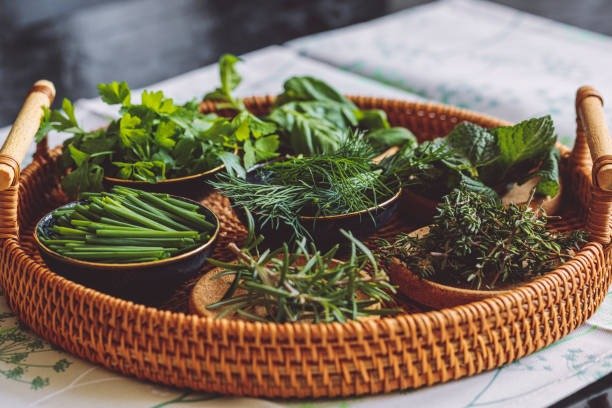
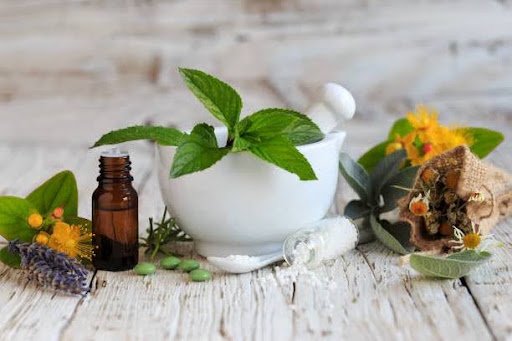
In Europe, herbs were essential in practice of European folk medicine. Back then, chamomile, thyme, and sage were commonly used to fix digestive complaints and infections. People most often made infusions, salves, tinctures, and teas.
Learning to harvest herbs at the right time was very important. Healers were knowledgeable about what phase of the moon or season gave the best results. Thanks to this knowledge, the medical team was able to give the patient the help he needed.
Some of the remedies discovered in Ancient Egypt were very advanced. Willow bark has been used by many Europeans for relief from pain, and it contains an ingredient called salicin that was later turned into aspirin (a medicine). It proves that at times, Indigenous wisdom and scientific findings were the same.
The Different Cultural Practices in Europe
Western Europe was closely connected to the Roman and Greek methods of medicine. The traditions of the region mixed with Celtic and Germanic culture. In this region, medical beliefs about health and treatments combined with ancient Greek and Arabic ideas.
The cultures of Northern Europe protected the tradition of using Norse herbs. People in Eastern Europe created a strong form of medicine by uniting pagan beliefs with Orthodox faith.
Back in the Balkans, ingredients for medicines were usually mixed with ceremonies. Singing, saying prayers, or performing certain gestures formed a part of healing. Back in the Middle Ages, monks in Italy and Spain safekept the knowledge about various herbs.
Monks planted medicinal plants and carefully recorded the healing properties of many plants. Seasonal cycles and sauna, steam, and herbal baths for purification were the main points of Scandinavian healing traditions.
Every culture contributed to the growth of folk medicine individually. Even so, people’s strong ties to the natural world did not change.
The Explained Rationale Behind Traditional Advice
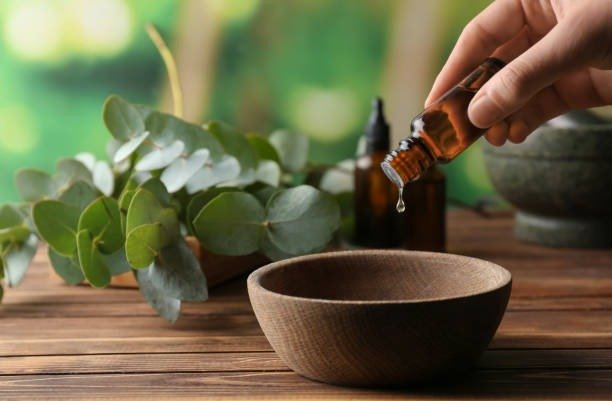
People who practiced European folk medicine were often right about their beliefs, and their findings are being proven by science. A lot of plants that folk medicine in Europe recommends are rich in powerful ingredients. The use of lavender was demonstrated to lower people’s cortisol levels, helping with stress. There is research that shows garlic has antibacterial powers to fight infection.
Scientists are looking into older healing methods that might boost modern medicine. It is no longer possible to describe herbal medicine only as a superstition. Actually, research is being done to find out how it can support the defense system, lower inflammation, and prevent different illnesses.
People are finding that phytotherapy, also known as plant-based medicine, is a good choice. A great deal of the drugs used today are based on herbal substances that were first discovered by scientists. This shows that there isn’t a wide gap between traditional medicine and modern medicine.
Folk Healing is being revived Currently
More and more, people in Europe are starting to use folk-based treatments. Many people are relying on nature for gentle and natural methods of healing. Many schools for herbal medicine are being launched. The sale of herbal products in local areas is very successful. Many people hope to restore their links to the land and the traditions that result in balance and sustainability.
Herbal remedies belong to everyday healthcare in Germany and Switzerland. In other areas, herbalists join forces with doctors in giving integrated treatment. Before, essential information was given in private, but today it is taught directly with books, classrooms, and networks.
Reviving faith has more to it than physical well-being. Cultures have a big impact on tourism. Familiarizing oneself with European folk medicine gives insight into one’s heritage. It makes people proud of customs that were once not important to them.
Ensuring that the Knowledge is kept for future generations
Traditional herbal wisdom is passing from many older people at a rapid pace. Things we know could escape us if they are not noted and shared with others. That is why various organizations have begun recording folk medicine practices. They go to rural areas in their work. People use oral methods to collect the traditions, plants, and recipes older people still use today.
Universities as well as non-profit organizations team up to safeguard this cultural heritage. Save native plants is another important task. As the environment shifts, it is very important to protect biodiversity so that traditional remedies can survive.
Folk medicine across Europe as viewed from a global perspective
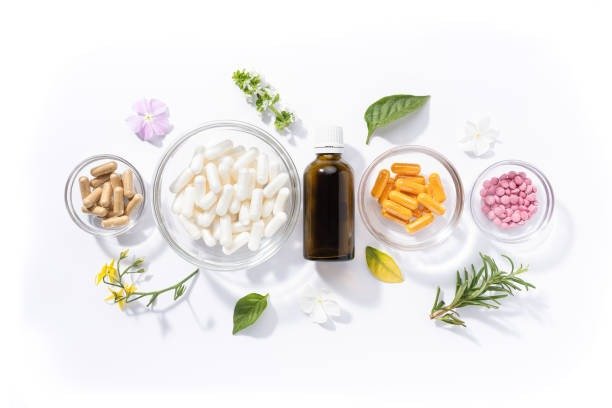
Folk medicine is different in Europe, but it has similarities with other kinds of traditional medicine worldwide. European folk medicine, in the same way as Ayurveda and Traditional Chinese Medicine, cares about the holistic well-being of each person. It considers health to be the result of body, mind, and environmental balance.
The fact that this approach includes everything makes it suitable for today’s world. With people looking for natural ways to treat illnesses, traditional cures come in handy. People in various cultures have adopted using herbs, food to eat, taking rest, and conducting rituals to heal.
Respecting nature is what they have in common. Traditional healing systems in many countries show us our heritage. They educate us that healing means going further than curing a disease to bring the body and mind back into balance.
comparison table:
European Folk Medicine: Traditional Remedies and Practices
| Region/Culture | Traditional Herb or Practice | Common Traditional Use | Traditional Form | Modern Perspective |
|---|---|---|---|---|
| Northern Europe | Nettle | General wellness and traditional field remedies | Tea, infusion | Contains various nutrients and bioactive compounds |
| Northern Europe | Yarrow | Minor wounds and traditional digestive support | Tea, poultice | Traditionally valued for its plant compounds |
| Mediterranean Europe | Olive leaves | Traditional wellness and circulation support | Tea, extract | Studied for antioxidant compounds |
| Mediterranean Europe | Lavender | Relaxation and stress | Tea, oil, bath | Some evidence supports relaxation benefits |
| Mediterranean Europe | Rosemary | Digestion and general wellness | Tea, food, infusion | Contains antioxidant compounds |
| Eastern Europe | Garlic | Traditional infection and immune support | Raw, food, infusion | Has demonstrated antimicrobial activity in laboratory research |
| Eastern Europe | Onion | Colds and respiratory complaints | Food, syrup | Contains sulfur compounds and antioxidants |
| Eastern Europe | Elderberry | Traditional cold and flu support | Syrup, tea | Studied for respiratory symptom support |
| Central Europe | Chamomile | Digestive discomfort and relaxation | Tea, infusion | Widely studied for soothing and anti-inflammatory properties |
| Europe | Thyme | Coughs and respiratory complaints | Tea, syrup | Traditionally used for respiratory support |
| Europe | Sage | Mouth, throat, and digestive complaints | Tea, gargle | Contains compounds with antimicrobial activity |
| Europe | Willow bark | Traditional pain relief | Tea, decoction | Contains salicin, related to the development of aspirin |
| Scandinavia | Sauna and steam | Relaxation and purification | Steam, sauna | Associated with relaxation and general well-being |
| Scandinavia | Herbal baths | Relaxation and cleansing | Bath infusion | Used traditionally for comfort and relaxation |
| Balkans | Herbal remedies and rituals | Physical and spiritual healing | Herbs, prayers, ceremonies | Represents an important cultural healing tradition |
| Italy & Spain | Monastic herbal medicine | Herbal care and preservation of plant knowledge | Teas, extracts, preparations | Monastic records helped preserve historical herbal knowledge |
| Germany & Switzerland | Herbal medicine | Everyday traditional healthcare | Teas, extracts, preparations | Herbal medicine remains part of complementary healthcare |
| Europe | Phytotherapy | Plant-based health support | Extracts, capsules, teas | Modern research evaluates specific plants and compounds |
| Europe | Traditional massage | Relaxation and physical comfort | Massage | Still used as a complementary wellness practice |
| Europe | Herbal teas | Digestive and general wellness | Infusion | Common modern herbal preparation |
| Europe | Herbal salves | Skin care and minor complaints | Salve, ointment | Some plant ingredients are studied for topical applications |
| Europe | Tinctures | Concentrated herbal preparations | Alcohol-based extract | Used in modern herbalism, with evidence varying by herb |
| Europe | Seasonal harvesting | Obtaining herbs at traditional times | Fresh or dried herbs | Some plant compounds vary according to growth and harvesting conditions |
Conclusion
European folk medicine teaches us about the past and how many people are connected to nature and medicine. It displays how knowledge and creative sense have developed among different cultures here. Even though modern methods exist, these practices have a lot of valuable lessons left to teach.
With each tradition we respect, we save important wisdom for the future. Regardless of whether they are used for simple health issues or for getting closer to nature, these remedies still help and encourage people. Living in today’s loud world, many of us may find the answer in traditional herbs.
People also ask
What are some examples of folk medicine?
Herbal remedies, acupuncture, massage, and traditional plant-based treatments are common examples.
Which country in Europe is best for medicine?
Germany, Switzerland, the UK, and France are known for advanced healthcare and medical research.
What is the most powerful healing herb in the world?
No single herb is proven to be the most powerful, but turmeric, ginger, and garlic are widely studied.
Is TCM scientifically proven?
Some TCM practices, such as acupuncture, have scientific evidence for specific health conditions, while others have limited evidence.