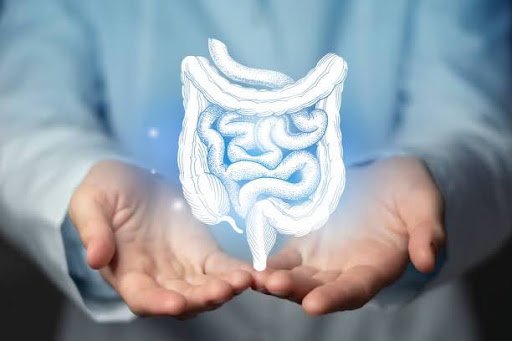

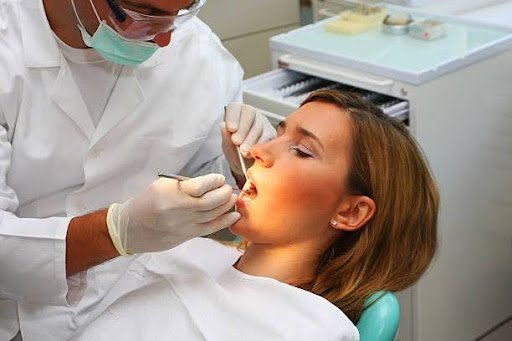
The mouth and the rest of the body are linked in oral hygiene and health than most individuals consider. Healthy mouth means more than a nice smile, it is a pathway to the health of your whole body. Your mouth and general health are connected through your gums, teeth and tongue. Failure to take care of oral health may result in some dire consequences that extend way beyond cavities.
The Mouth-Body Connection

The first of your digestive systems is your mouth. It also harbors millions of good and bad bacteria. A healthy oral care checks this balance of bacteria. In the case of poor oral hygiene, dangerous bacteria may get into the bloodstream. This may cause inflammation and break out in other areas of the body.
A major concern, in this case, is gum disease, also known as periodontal disease. It does not only attack your teeth and gums. Research indicates close association between gum infection and various diseases such as heart disease, diabetes and stroke. The gum disease inflammation can be transported in the bloodstream and affect internal organs.
Why Heart health Matters Oral Health
Oral hygiene is very much related to cardiovascular health. The bacteria of inflamed gums may get into the bloodstream and lead to depositing of plaque in the arteries. This raises the chances of heart attack and stroke. Individuals having unhealthy teeth and gums have augmented chances of getting high blood pressure and cardiovascular diseases.
When gums are healthy, the chances of inflamed heart are reduced. Brushing and dental checkups are relevant towards maintaining your mouth, and heart healthy. One of the easiest things that you can do to help your cardiovascular system is brushing your teeth.
The Connection between Oral Hygiene and Diabetes
diabetes Oral hygiene and general health are of particular concern to diabetics. Elevated blood sugar levels lower the ability of the immune system to respond to infections. This also incorporates gum infections, which may turn out to be more serious and difficult to cure in diabetic individuals.
Conversely, advanced gum disease may cause it to be harder to manage blood sugar. It forms a vicious circle in which a condition aggravates the other. This is because keeping the teeth clean and the gums healthy will curtail complications during diabetic treatment.
Periodontal Disease and respiratory Infections
The mouth-to-lung infection can be caused by inhaling bacteria. Particularly, this poses a serious risk to individuals who have chronic respiratory problems. Bad teeth care has been associated with pneumonia and other severe respiratory problems. Mouth bacteria can be aspirated and lodged in the lungs resulting into inflammation and infection.
Maintaining clean mouth aids in safeguarding your lungs. It reduces the population of harmful bacteria which can be aspirated directly form the mouth to respiratory system. With the help of simple oral care, breathing problems can be prevented in the long run.
Oral Health Concerns during pregnancy

Much attention should be given to the oral health of pregnant women. The gum problems can be caused by hormonal changes in pregnancy. Puffy or bleeding gums, also referred to as pregnancy gingivitis are common. However, when it is not taken care of, it may develop into more complicated problems.
And there is also evidence thatPeriods of low oral hygiene can influence the results of pregnancy. There has been a relation of gum infection to low birth weight and premature birth. Pregnant women ought to visit a dentist every now and then and clean their teeth on a daily basis.
Psychological Health and Self esteem
Mental wellness is also connected to oral hygiene and general health. A confident smile will improve social life and confidence. However, untreated oral problems might cause embarrassment, anxiety and even depression. Causes of pain like cavities or gum disease will decrease focus and productivity.
Proper oral care will enhance your life. It makes you feel good about yourself and motivates you to be social. Clean teeth and fresh breath can make wonder changes in your emotional state.
Oral Health begin in the Mouth
The digestive process starts in the mouth where the food is moisturized through chewing and salivary enzymes. This process may be hampered by poor oral health. It becomes difficult to chew food appropriately with missing or painful teeth, thus resulting in indigestion or nutrient deficiencies.
The saliva is significant in neutralizing the acids and in aiding the food to move through the digestive system with ease. By having a healthy mouth, one can be sure that this initial process of digestion will proceed without any problems. It likewise promotes the absorption of nutrients in the intestines and stomach.
Inflammation and Immune System
When one has oral infections the immune system reacts in the same way it would react to infections in any other part of the body. The immune system can be stressed by chronic inflammation of the gums. This eventually reduces your immunity to other diseases.
Bleeding gums also keep signaling the immune system and forcing it to remain on high alert. This may result in fatigue, muscle aches and increased susceptibility to auto immune disorders. This stress reaction is controlled and the immunity is boosted by good oral hygiene.
The Long-Term Wellness and How it is Formed by Oral Habits
Daily habits matter a lot when it comes to oral and general health. Most oral problems can be avoided by brushing twice a day, using floss and visiting the dentist regularly. Dental health also depends on what you consume. Acarbose and sugary food destroy enamel and nourish cavity-causing bacteria.
Healthy gums and teeth can also be maintained by staying hydrated, avoiding tobacco and decreasing alcohol consumption. Not only are these habits able to protect your smile, but they also lead to improved digestion, reduced disease risk, and increased energy.
Oral Hygiene Education and children

By educating children on the importance of oral and general body health at an early age, problems that would arise due to lack of this knowledge later in life are prevented. Good teeth mean good speech, nutrition and self esteem. Children that brush and floss every day have higher chances of continuing the habit into adulthood.
Dental visitations to pediatric patients are critical. Dentists are able to identify a beginning of decays or bad bite and provide preventive treatment. Proper childhood oral practices eliminate the possibility of severe health complications in adulthood.
Effects of Aging on the mouth and Dental Care
Oral care is even more critical as individuals get older. The elderly are prone to experience dry mouth, shrinking gums, or missing teeth. These disorders may impact eating, speaking and the quality of life. In the elderly, gum infections can also cause them to lose memory and develop custody.
Good oral care enables the elderly to remain self-reliant and mobile. It is beneficial to the brain, mobility and emotional stability. part of any plan to age should include dental care.
The Economics Aspect of Oral Health
Failure to take care of oral hygiene may result in expensive procedures. The costly procedures include fillings, root canals, and surgeries which could be prevented. Preventive care is money-saving and safeguarding to your general wellbeing. Dental benefits are being appreciated by employers and care providers.
A healthy mouth means less medications, less visits to the specialists and less stays in hospitals. It also results in the decreased number of missed working days and improved performance. Oral health is a profitable investment.
A Whole Person Perspective of Health
General health and Oral hygiene coincide. Your mouth reflects your body status. The health of your mouth is linked to the rest of your body: when it is strong, the latter is advantageous. Improved dental care is helpful to the heart, lungs, brain and digestive system.
Wellness is not merely a contemporary lifestyle of eating right or living fit. It involves caring about your teeth and gums. clean mouth will enable you to speak clearly, eat comfortably and smile with confidence. It develops confidence in yourself and relationships.
What are the 5 basics of oral health?
- Brush your teeth twice a day.
- Floss or clean between your teeth daily.
- Eat a healthy, balanced diet.
- Limit sugary foods and drinks.
- Visit a dentist regularly.
What is the meaning of oral health?
Oral health means keeping your teeth, gums, tongue, and mouth healthy and free from disease, pain, and infection.
What are five oral health diseases?
- Tooth decay (cavities)
- Gum disease
- Oral cancer
- Oral infections
- Tooth erosion
What is the 3-3-3 rule for teeth?
The 3-3-3 rule is sometimes used as a simple dental-care guideline: brush 3 times a day, for 3 minutes each time, and visit the dentist 3 times a year. However, dental recommendations can vary, and brushing twice daily for about two minutes is the more widely recommended standard.
What is the 3-3-3 dental rule?
It generally refers to the same idea: 3 times brushing, 3 minutes each time, and 3 dental visits per year.
Which fruit is best for oral health?
Apples are a good choice because their crunchy texture can help stimulate saliva and gently clean the teeth. Other good choices include pears, strawberries, and kiwis.